This Is Not Banking. This Is Control: Wells Fargo and the Abuse of Business Customers
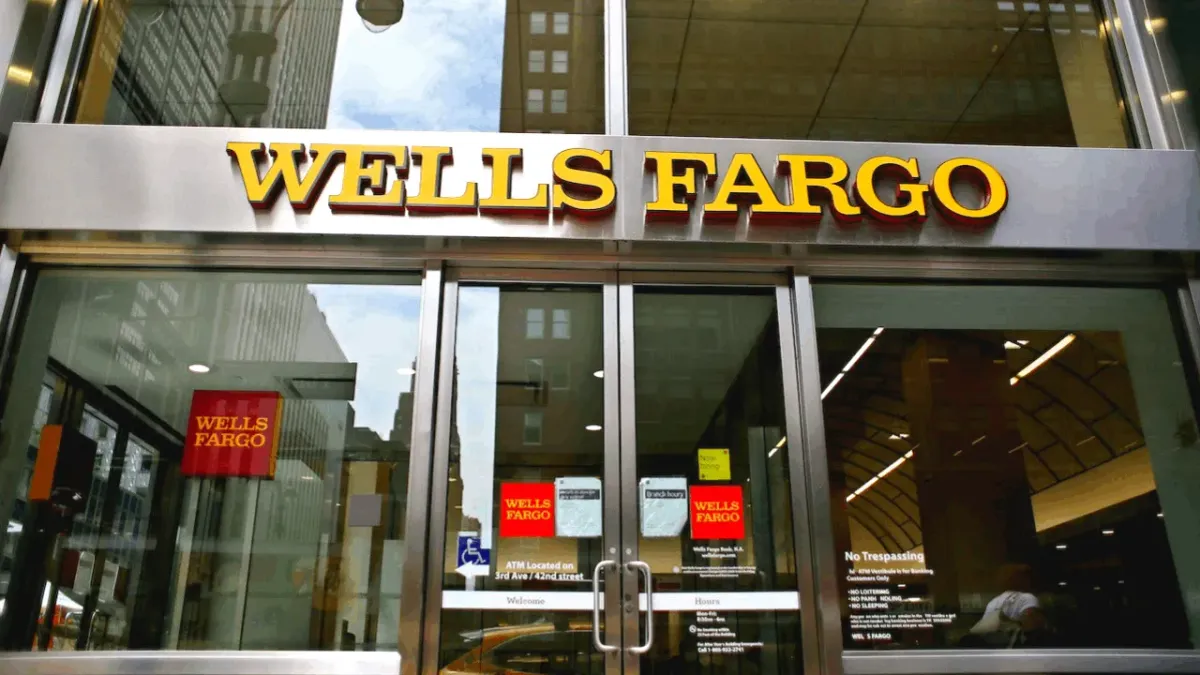
When a major bank places a hard hold on a legitimate business account without any incident, without meaningful explanation, and without giving the customer real access to their own funds, this is no longer a routine banking issue.
It is a question of power.
Thanks for reading! Subscribe for free to receive new posts and support my work.
A business account is not decorative. It is the core operating mechanism of a lawful enterprise. It is how rent is paid, payroll is met, vendors are handled, obligations are satisfied, and daily commerce continues. The moment a bank unilaterally locks that account down, it does not merely “delay service.” It can destabilize an entire business.
That is exactly why this kind of conduct deserves serious public scrutiny.
If Wells Fargo can impose a hard hold on a legitimate business account, continue assessing fees, restrict access to funds, and force the account holder into silence, confusion, or bureaucratic limbo, then the public has every right to ask a very direct question:
Is this risk management — or abuse of institutional power?
Banks enjoy extraordinary control over the financial lives of individuals and businesses. That control comes with a duty of fairness, transparency, professionalism, and lawful conduct. But when a bank acts first, explains little, restricts access, and leaves the customer to absorb all of the operational damage, the relationship stops looking like a banking relationship.
It starts looking like financial coercion dressed up as policy.
And that should alarm every business owner.
Because the issue is not only inconvenience. The issue is leverage. The issue is whether a financial institution believes it can freeze a legitimate business, keep charging it, and hide behind internal procedures while the customer bears the loss.
That is not partnership.
That is not customer care.
That is not responsible banking.
That is the raw exercise of power by a bank that knows the customer often has little immediate remedy.
If legally protected funds are implicated, the matter becomes even more serious. Any restraint affecting lawfully protected or properly held funds may raise significant legal and regulatory concerns. At a minimum, any such action demands a valid basis, clear notice, and a prompt path to resolution. Anything less invites the question of whether the bank is acting fairly at all.
So let’s say it plainly:
Would I recommend Wells Fargo to a business owner? No.
Not if a legitimate business can be locked out of its own money without any real wrongdoing, while the bank remains insulated and the customer is left to suffer the commercial consequences.
Business owners should think very carefully before placing their operations in the hands of any institution that can paralyze them first and explain itself later.
Because once your bank becomes the source of instability, the danger is no longer outside your business.
The danger is inside your bank.
The issue is no longer service failure. The issue is whether a bank is using its position to exert unfair control over customers who depend on access to their own funds.
Thanks for reading! Subscribe for free to receive new posts and support my work.